Python
Python is one of the most widely used programming languages in the world — powering everything from web applications and data science to automation scripts and game development. It's also one of the most beginner-friendly languages to learn, thanks to its clean, readable syntax that reads almost like plain English.
This is Cloodit's complete Python curriculum: 63 free worksheets covering everything from foundational syntax through variables, data types, loops, functions, and all the way to object-oriented programming, file handling, and advanced data structures like dictionaries and sets. Each module includes real practice questions, worked examples, and a full answer key — not just definitions to memorize.
The modules are ordered to build on each other, so a complete beginner can work through them from Module 1 to Module 63 and come out the other side able to write real Python programs. Teachers can also assign these modules as a structured course — see the Python Journey below — with progress tracking, class sprints, and badges for students.
Whether you're a student working through the fundamentals, a teacher looking for ready-made worksheets with answer keys, or just brushing up on one specific topic, start with any module below or work straight through the full sequence. Planning a unit rather than the whole course? Each module maps to a single lesson-length concept, so you can pull just the ones your unit needs — Getting Started for an intro-to-programming unit, Control Flow for a conditionals-and-loops unit, Data Structures for a lists-and-dictionaries unit — without reworking your sequence.
Add this whole curriculum to your class, or just the modules your unit needs — Cloodit tracks who's stuck automatically.
Getting Started (Modules 1–10)
Control Flow (Modules 11–20)
Functions (Modules 21–30)
Data Structures (Modules 31–40)
Advanced (Modules 41–63)
Printable Python Crosswords & Word Searches
Built from the key terms of each block of modules, every one with a full answer key. All free printables →
Journeys using these modules
Frequently Asked Questions
Are these worksheets free?
Yes — every worksheet and its answer key is free to view, download, and print, with no account required to access any individual module.
Do I need an account?
No account is needed to view or print a worksheet. A free teacher account adds extras like assigning modules to a class and tracking progress automatically — it takes under three minutes to set up and doesn't need a credit card.
What year level is this for?
This curriculum is aligned to the Australian Curriculum (ACARA) and Victorian Curriculum, spanning roughly Years 3 to 10 — from first sequencing and variables through to object-oriented programming and advanced data structures. Start wherever matches your class's current level; each module builds on the last.
Can I print them?
Yes — every module has a one-click Print Worksheet button that generates a printable page with the practice questions and a full answer key.
Is this aligned to a curriculum?
Yes — the module sequence is mapped to the Australian Curriculum (ACARA) and Victorian Curriculum, and a class's progress is reported back against those curriculum bands (e.g. ACARA Years 5–6 sequencing and iteration, Years 7–8 functions and data structures), not just a generic difficulty scale.
Can students use this without a teacher?
Yes — students can start any module and practice directly, no class or account required. Joining a teacher's class with a class code adds progress tracking, class badges, and live Sprints, but isn't needed to work through the worksheets or modules solo.
Do I need to know Python myself to teach this?
No — every module comes with a full worked answer key, and Cloodit tracks who's stuck automatically, so you don't need to solve each exercise yourself before assigning it or be able to debug a student's work line by line.
Cloodit turns curriculum-aligned coding content into journeys students work through one biome at a time.

Over 100 of them, across seven natural biomes.
Turns their work into revision material ready for Flash Cards and Exam study.
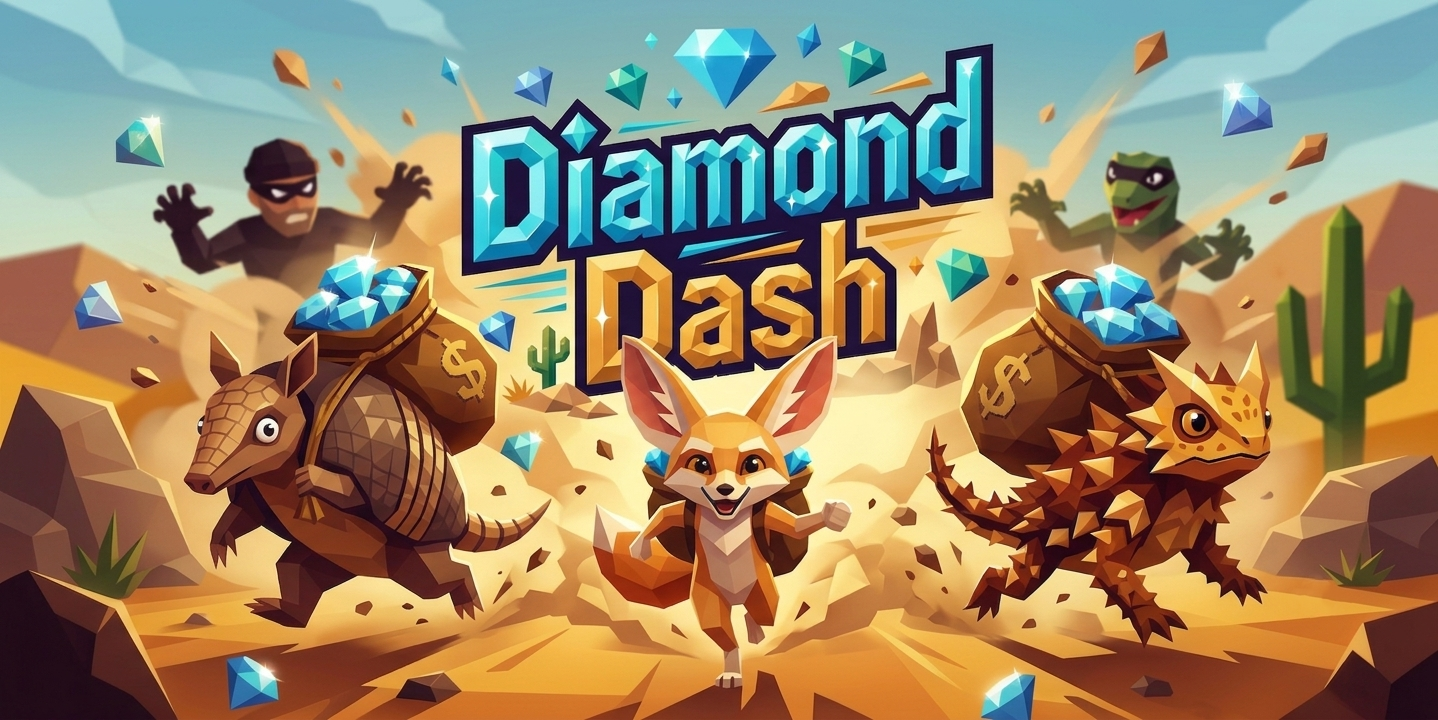
Live, competitive practice for the start of the lesson or a teacher-led lesson finisher.
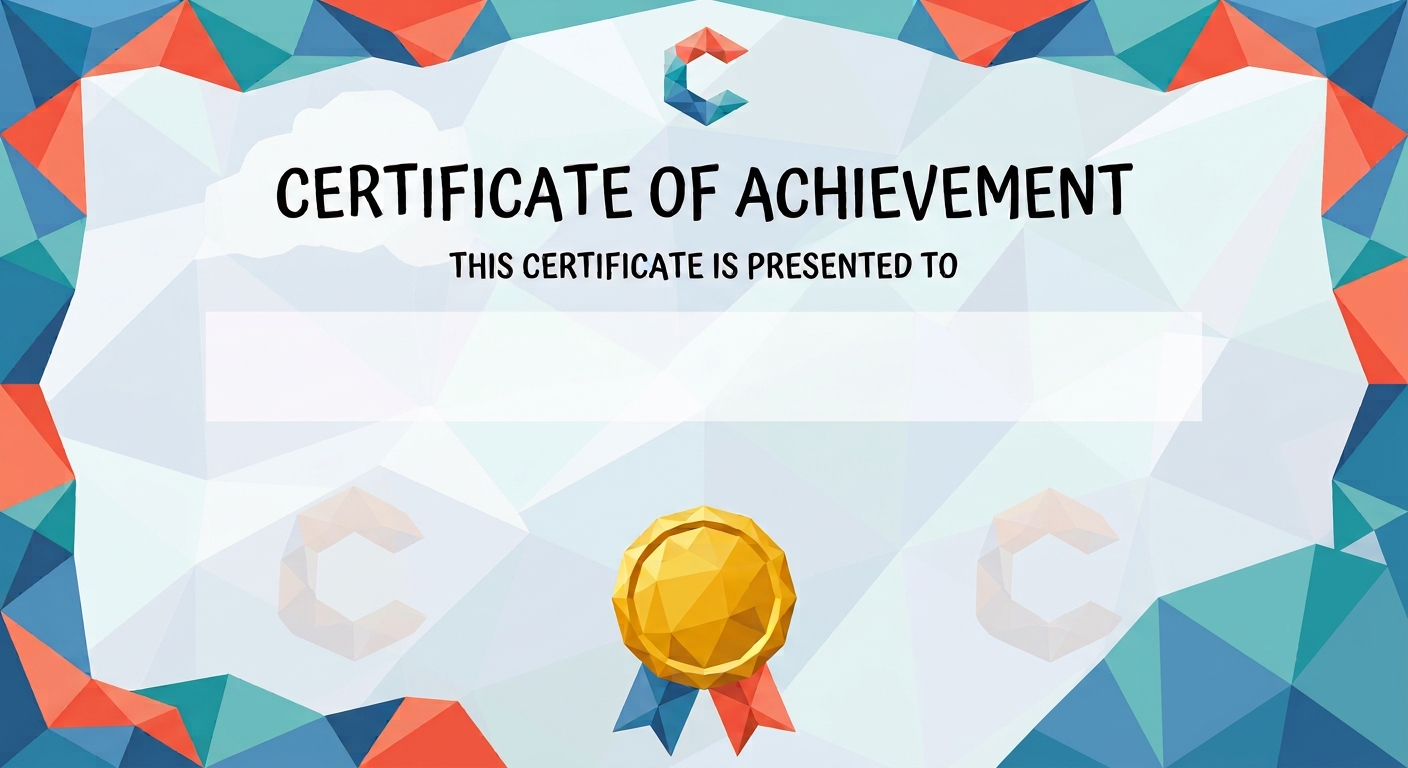
Honour your top performers, or encourage a student who's trying hard — ready to print in seconds.
Set this curriculum for your class and see who needs help, automatically.
Create a free teacher account →No credit card. No setup fee. Make a class and invite students in under three minutes.
Practice this topic interactively, track progress, and unlock badges.
Start Learning Free →